
The Real Challenges Women-Led Businesses Face — A Story Told Through Tiendaa (तियांदा) By Eisha Sethi, Founder of Tiendaa
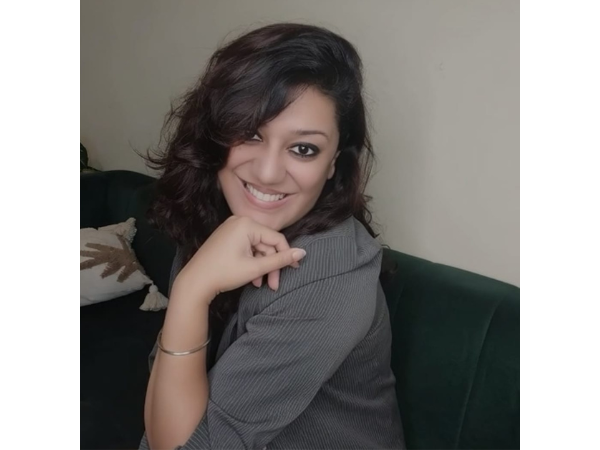
Although women entrepreneurs in India are rewriting the rules of business, their journey is still marked by barriers and battles the world rarely sees.
With a Master’s in Physical Therapy and an MBA, I refused to fit into one identity & took the unconventional route into branding, writing, and eventually entrepreneurship — choosing passion over predictability. In 2022, along with my mother, I founded Tiendaa, an Indian handcrafted designer jewellery brand, using savings, intuition, and a belief that women deserve to be unapologetically themselves — bold, original, and free to express their style beyond conventional fashion.
It wasn’t just a business I was creating; it was a declaration — a promise that I would no longer shrink, apologise, or fit into a version of womanhood that made everyone else comfortable.
But the journey came with realities that shook me, shaped me, and strengthened me.
1. Being Taken Seriously — First and Hardest Battle
The biggest challenge isn’t competition. It is perception.
Women founders constantly hear:
- “You left your job for this?”
- “Is this a hobby?”
- “Kuch kamaayi bhi hai?”
- “You can’t do this alone.”
These comments reflect deep-rooted doubt in women’s abilities. We are questioned not on our business model, but on our ability to run one.
Every woman founder knows the weight of proving her seriousness again and again — even to people who should believe in her.
2. Funding Biases Are Real
Of course!
Investors hesitate when a woman is at the table. Assumptions about “commitment” or “stability” overshadow business numbers.
Building Without Privilege or Funding
Most women-led businesses begin with:
- personal savings
- passion
- calculated risks
I built Tiendaa one step at a time:
- transitioning from service to the product industry
- sourcing products
- understanding marketplaces
- learning manufacturing
- studying digital marketing
- selling at stalls
Without external funding, every decision becomes magnified — but that resourcefulness becomes our strength.
3. Managing Safety, Mobility, and Operational Risks
Women must think twice about working late, travelling alone, and entering crowded markets.
What is simple logistics for a male founder becomes a safety strategy for a woman.
Safety is an extra layer of planning.
4. Building Customer Trust
Trust isn’t given to women-led brands — it’s earned slowly.
We often hear:
- “Is her product reliable?”
- “Women’s brands are small-scale.”
- “She will negotiate.”
There is an expectation that women should charge less and justify their decisions.
Women work twice as hard to prove credibility and stability.
5. Lack of Mentorship
The entrepreneurial world is still male-dominated.
Women struggle to find:
- mentors
- networks
- industry guidance
- people who relate to their journey
With limited support or consultants, the path becomes lonelier. We rely heavily on trial, error, and intuition.
And what makes this harder is that most advice available to women comes from people who have never lived the challenges we face — safety issues, emotional labour, credibility gaps, and judgement. Even when guidance exists, it rarely reflects our reality, leaving women to figure things out on their own.
Learning every skill becomes survival.
6. Emotional Labour, Nobody Counts
A woman entrepreneur doesn’t just run a business. She also carries:
- household duties
- emotional expectations
- caregiving roles
- social judgments
This emotional labour is invisible and exhausting — yet rarely acknowledged.
7. Lack of Emotional Support
One of the most invisible challenges is missing emotional backing at home.
Families and partners say, “We support you,” but support comes with boundaries:
- “Don’t work late.”
- “Family should be your priority.”
- “Don’t take big risks.”
They treat the business as a phase, not a career. This creates emotional friction that shakes confidence and fuels self-doubt.
Many women build dreams while negotiating for space, belief, and validation.
Yet we continue — choosing growth even when no one sees the weight we carry.
8. Vendor Trust Issues
Women entrepreneurs often face:
- compromised quality
- misleading information
- delayed deliveries
To protect Tiendaa’s quality, I learned:
- jewellery manufacturing processes
- design limitations
- metal-type and metallurgy
- goldplating-type & anti-tarnish science
“Knowledge became my armour.”
9. Male-Dominated Networks
Jewellery sourcing and manufacturing networks are male-led and trust-based.
Artisans prefer dealing with men.
I spent months identifying dependable vendors through trial and error.
I earned respect not by demanding it, but by demonstrating knowledge and clarity.
10. Leadership Stereotype Trap
Businesswomen are labelled “aggressive” or “selfish,” while men doing the same are praised as “strategic” or “responsible.”
These micro-judgements add up.
Why These Challenges Matter
Behind every woman-led business you admire, there is a story of resilience you may never see.
Women are not just building brands — they’re breaking systems, rewriting roles, and redefining power.
Tiendaa was created with one simple belief- Women deserve to express themselves boldly, without waiting for permission.
And that belief reflects a larger truth- “Women entrepreneurs are not just running businesses; they are reshaping India’s entrepreneurial landscape.”
Instagram – https://www.instagram.com/tiendaajewels
Website – https://tiendaa.in/
अंतरराष्ट्रीय प्रसिद्ध ट्रेडिंग रणनीति कंपनी THPX ने भारतीय बाजार में औपचारिक प्रवेश की घोषणा की

zMed Healthcare Technologies (zMed) announces launch of zMed Inc, expanding global footprint in healthcare technology

Zimyo is taking the start-up ecosystem to the next level with its 'Start-up Program.'

Zigly Brings India’s First-Ever Diwali Carnival to Delhi NCR!
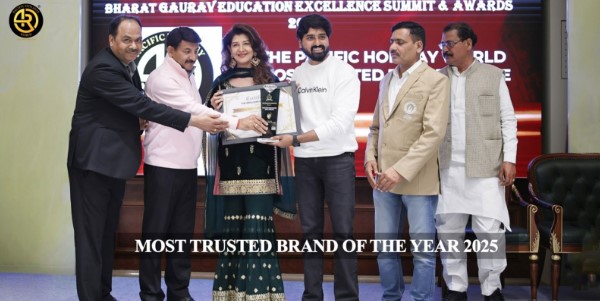
Pacific Holiday World Once Again Honored as the Most Trusted Brand of the Year 2025
Traders Share Positive Experiences Using Greeny Traders Pro Platform
Hilton Garden Inn Surat City Centre Celebrates First Anniversary on 11 February 2026, Marking a Year of Meaningful Connections and Hospitality